
I built this language learning app because I got tired of learning sentences I’d never actually use.
You probably know the kind:
“The big purple elephant eats popcorn on the moon.”
Technically, yes — you’re learning vocabulary and grammar.
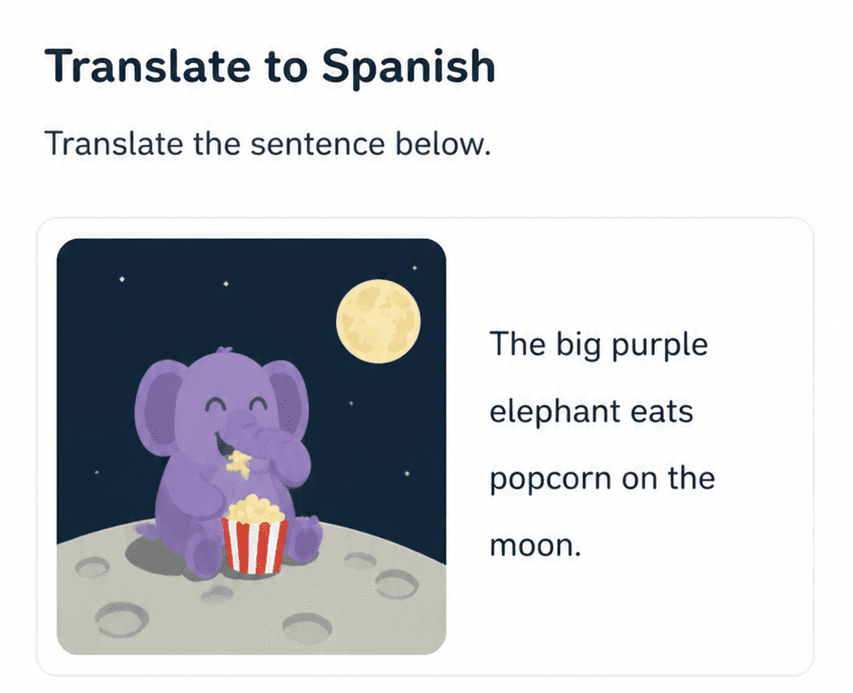
But after years of language apps, I realised something important: I wasn’t actually reading things I cared about.
Learning a language while travelling
Over the past few months, I’ve been travelling around Asia — buses through Sri Lanka, ferries in the Philippines, overnight trains, long-haul flights, tiny airport lounges, and far too many hours waiting around with a backpack.
That also meant I suddenly had something I’d never really had before: time to practise Spanish consistently.
Like a lot of people, I’d used traditional language-learning apps for years. They’re great at building habits, especially in the beginning. But eventually it started feeling more like maintaining a streak than actually improving my ability to understand real content.
I wanted to read. Not isolated vocabulary. Not disconnected example sentences. Not gamified exercises.
I wanted stories, articles, conversations, travel blogs — things that felt like actual language.
Using AI for language learning
At some point, I started experimenting with ChatGPT.
Instead of doing lessons, I’d ask it to generate short stories in Spanish about things I was interested in:
- scuba diving
- travelling through Indonesia
- hiking on volcanoes
And honestly, it worked surprisingly well. Suddenly I wasn’t forcing myself to study. I actually wanted to keep reading.
I could control the difficulty level, choose topics I cared about, and learn naturally through context instead of memorisation. It felt far closer to how people actually learn languages in real life.
The problem with using ChatGPT directly
But after a while, I noticed something else: using ChatGPT for language learning was still… awkward.
Every session involved manually writing prompts like:
“Generate a short story in Spanish about diving in the Philippines. The difficulty level should be 6/10. The story should be unqiue and interesting, have a distinct beginning-middle-end, and be in the style of a travel blog. Use mostly common vocabulary but introduce some new words...”
Then tweaking the output. Then regenerating it. Then asking for translations. Then trying to remember where I left off.
And eventually the chats became a mess!
Stories disappeared. The reading experience wasn’t great. There was no progress tracking. No motivation to come back daily. No easy way to discover new topics. No reading-focused features.
It worked — but only if you were willing to put effort into building your own learning system every single time.
That’s when I realised I could take this idea and turn it into a much better experience.
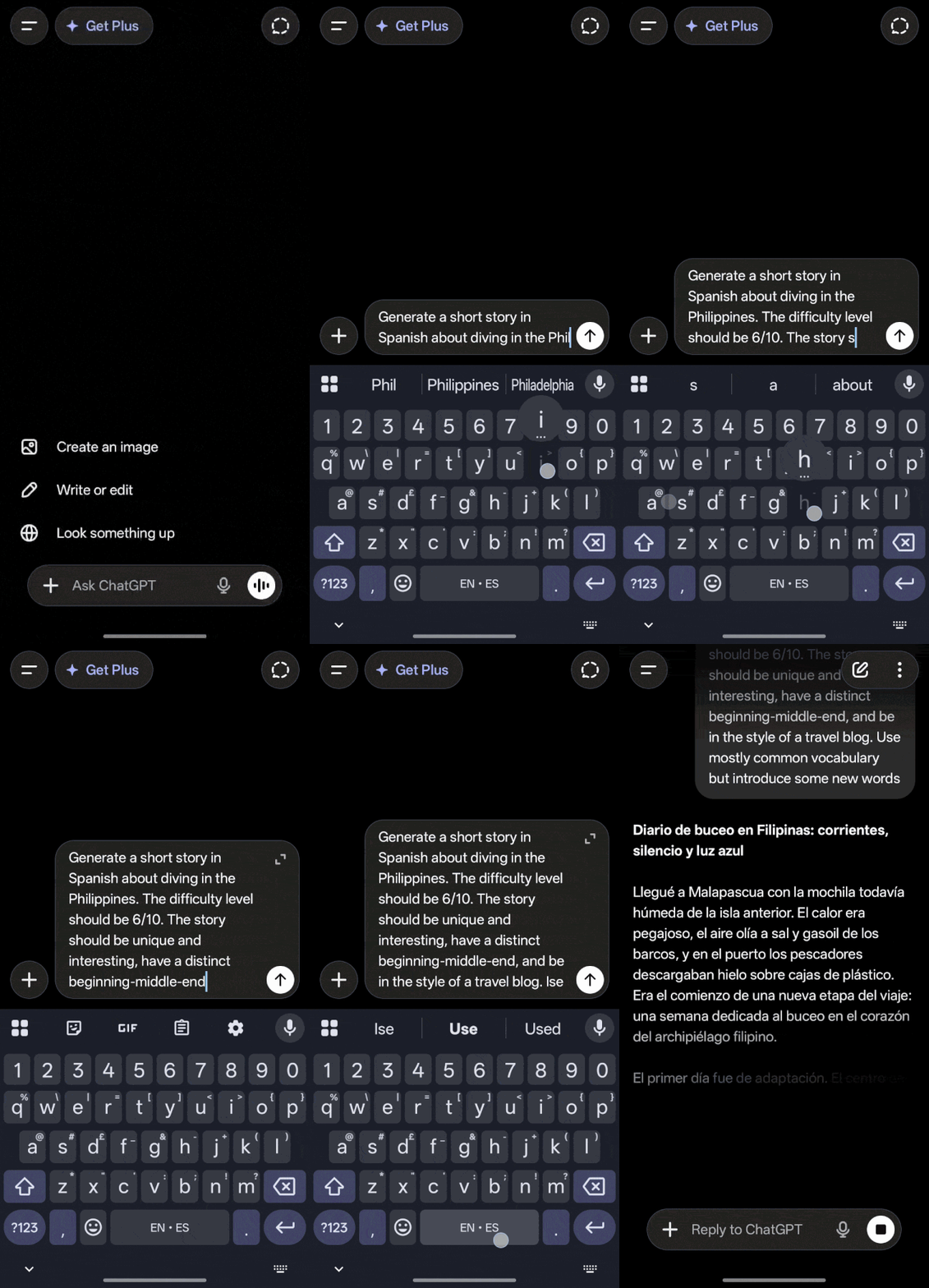
ChatGPT
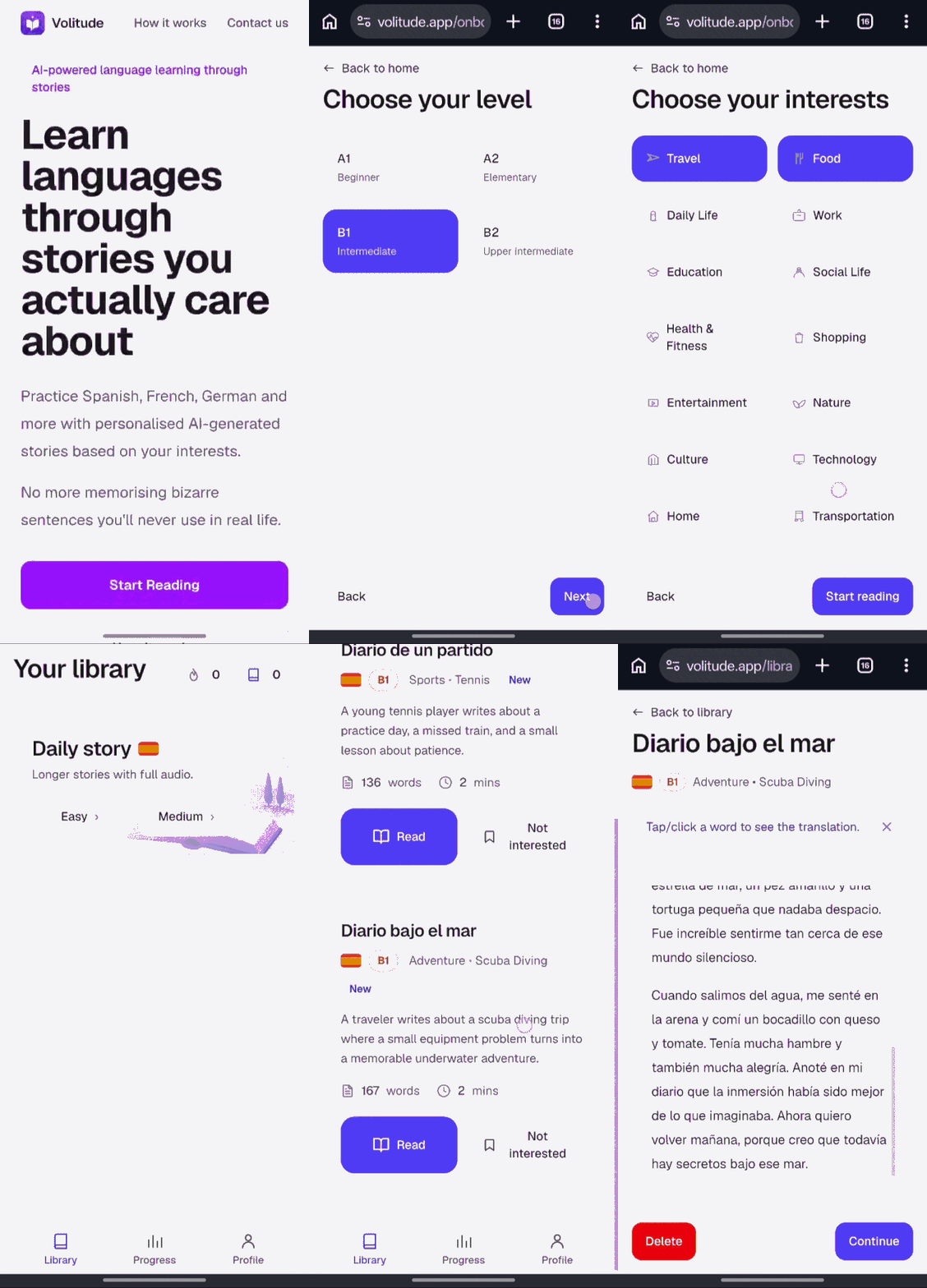
Volitude
Building Volitude
So, I started building a small web app for myself.
The idea was simple: what if practising a language felt more like opening Netflix or Spotify than opening a textbook?
Instead of writing prompts manually, you could:
- choose topics you’re interested in
- pick your level
- generate personalised stories instantly
- tap words for instant translations
- listen to the text with audio
- take quizzes afterwards
- build a reading habit over time
Most importantly, the app remembers what you’ve read and gives you a proper reading experience — something chat interfaces aren’t designed for.
Over time, Volitude became less about “AI-generated stories” and more about making language practice genuinely engaging.
Why stories work so well for language learning
One thing I noticed very quickly is that stories solve a major motivation problem in language learning. A lot of learning apps optimise for short-term engagement through games, points, and annoying notifications.
But stories create curiosity. You keep reading because you want to know what happens next. That changes everything. Instead of grinding through exercises, you’re following narratives, exploring topics you care about, and absorbing vocabulary naturally through repetition and context.
And because the stories are personalised, the experience feels far more relevant than generic learning material. Someone interested in travel, football, history, photography, cooking, or science fiction should all be reading completely different content.
AI makes personalised learning possible
Before modern AI models, building something like this would’ve been almost impossible. Traditional language-learning content is expensive and slow to create manually. AI changes that completely.
Now it’s possible to generate content dynamically:
- tailored to your interests
- adapted to your level
- varied enough to stay interesting
- available instantly
But I think the important part isn’t replacing learning, it’s making practice more enjoyable. If you genuinely enjoy reading in your target language, you’ll naturally spend more time doing it.
What’s next
Volitude is still early, but that’s also what makes building it fun.
I’m currently experimenting with:
- smarter story recommendations
- better progression systems
- audio improvements
- ways to make stories feel even more immersive
Ultimately, the goal is simple: make language practice feel interesting enough that people keep doing it. Because when that happens, learning becomes a side effect. And honestly, that’s the kind of app I wanted for myself in the first place.
If you’re learning a language and want to try a different approach, you can try Volitude completely free today.